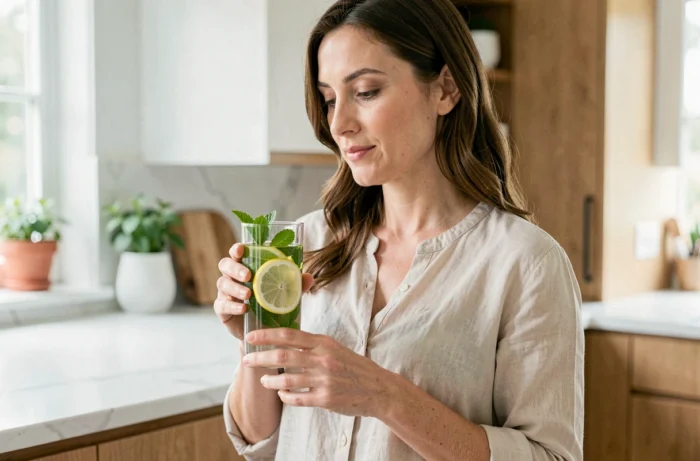
Intermittent fasting is based on an alternation between an eating window and a restriction period during which no solid food is consumed. During this fasting phase, hydration is allowed, but not all drinks are equal: some can trigger an insulin response or irritate an empty stomach, compromising the desired benefits on weight and metabolic health.
Caloric, metabolic, or autophagy fasting: the drink depends on the goal
Content on intermittent fasting often lists allowed drinks without distinguishing the type of fasting practiced. This distinction, however, changes the game regarding what can be consumed.
A caloric fast aims for an overall energy deficit. In this context, any zero-calorie drink is technically compatible: still water, sparkling water, black coffee, plain tea.
A metabolic fast targets the optimization of blood sugar and insulin sensitivity. The requirements are stricter, as some zero-calorie drinks can still provoke a partial insulin response.
The third type, focused on autophagy (cell renewal), imposes the strictest restrictions. Even coffee with a splash of cream can theoretically interrupt this process. Identifying your main goal before choosing your preferred drinks during intermittent fasting helps avoid sabotaging your results unknowingly.

Sweeteners and light drinks: the zero-calorie trap during fasting
Light sodas and “zero sugar” flavored waters display an empty calorie count. Many intermittent fasting practitioners consider them allies. Recent data suggests more caution.
Scientific syntheses, including a review published in Current Atherosclerosis Reports and relayed by Tufts University, show that artificial sweeteners are not metabolically neutral. Aspartame, sucralose, saccharin, and acesulfame-K, compared to water or a placebo, provoke measurable physiological responses, even in the absence of calories.
For a weight loss-oriented intermittent fasting regimen (caloric deficit), a light drink does not technically break the fast. However, for a fast aimed at insulin sensitivity or glycemic optimization, these same drinks can partially compromise metabolic benefits.
The case of sucralose
Sucralose illustrates this nuance well. Analyzed clinical trials show that it is compatible with a caloric fast, but it can interfere with a fast targeting insulin. This distinction is rarely made in popular guides, leading many practitioners to consume sweetened drinks thinking they remain “fasting” while their bodies react differently.
The most reliable rule remains simple: during the restriction period, water and unsweetened, unflavored drinks are the safest choice regardless of the goal.
Black coffee and tea during intermittent fasting: timing and precautions
Black coffee and plain tea are the two most consumed drinks during the fasting window. Their caloric intake is negligible, and caffeine can reduce hunger sensations, making the restriction period easier. But the timing of consumption matters as much as the drink itself.
Coffee consumed on an empty stomach early in the morning can cause gastric burns, especially in sensitive individuals. Its acidic pH, combined with the absence of food, stimulates hydrochloric acid production without food buffering. Delaying your first cup of coffee by a few hours after waking limits this risk.
Caffeine circulates in the blood for several hours. Coffee consumed in the late afternoon or evening during the fasting period can impair sleep quality, which directly affects hormonal regulation of appetite the next day. The body compensates for poor sleep by increasing ghrelin (the hunger hormone), making the following day’s fast more difficult.
Tea and herbal teas: a gentler alternative
Green tea and herbal teas provide hydration without the gastric drawbacks of coffee. Green tea offers theine (moderate caffeine) and catechins. Herbal teas (verbena, chamomile, mint) are caffeine-free and can be consumed at any time during the fasting window, including in the evening.
- Plain green tea, consumed away from meals to avoid interfering with iron absorption
- Chamomile or verbena herbal tea in the evening, compatible with quality sleep
- Rooibos, naturally caffeine-free and with a more neutral pH than coffee

Still water, sparkling water, and broth: the hydration foundation of fasting
Water remains the reference drink during intermittent fasting, with no restrictions on quantity or timing. Sparkling water is as compatible as still water as long as it contains no sugar or added flavor. Some sparkling mineral waters also provide magnesium and sodium, two electrolytes that the body loses more quickly during food restriction.
Homemade vegetable broth, filtered and without added fat, falls into an intermediate zone. Its caloric intake is very low but not zero. For a classic caloric fast, it is a useful supplement, especially at the beginning of practice when hunger is still pronounced. For a strict metabolic fast, it is better to stick to water and tea.
- Still or sparkling water without flavor: compatible with all types of fasting
- Mineral water rich in magnesium: useful for compensating electrolyte loss
- Filtered vegetable broth: acceptable in caloric fasting, to be avoided in strict fasting
- Diluted apple cider vinegar in water: sometimes recommended, but can irritate an empty stomach in sensitive individuals
The choice of drinks during the restriction period is not limited to a list of allowances. The metabolic response varies according to the fasting goal, the time of day, and individual tolerance. Prioritizing water and drinks without sweeteners remains the most reliable strategy to avoid compromising results, regardless of the protocol followed.