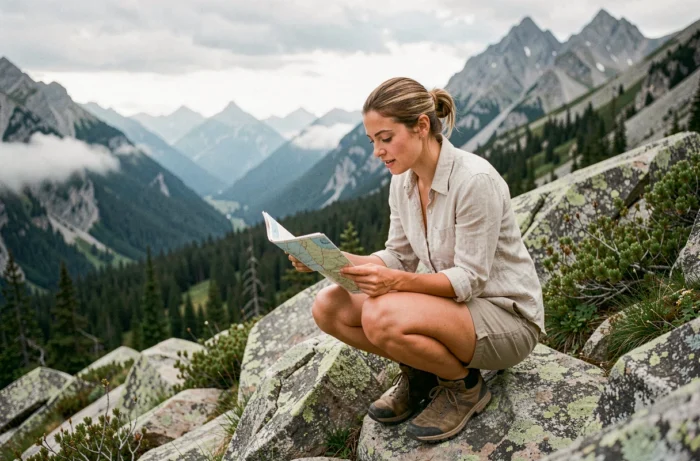
A travel activity becomes original when it engages a sense, a skill, or a context that traditional tourism overlooks. Visiting a monument remains enjoyable, but it is the physical, sensory, or creative engagement that transforms a trip into a lasting memory. Several recent trends are redefining what it means to “spice up” an adventure, far beyond the usual lists of adrenaline spots.
Sensory experiences in travel: going beyond the visual
The majority of tourist activities rely on sight. Travelers seeking an additional dimension turn to sensory trails designed to awaken the sense of smell, touch, or taste in a natural or heritage setting. Barefoot hikes in the forest, wild foraging guided by a local botanist, perfumery workshops in regions that produce aromatic plants: these formats now exist on every continent.
What distinguishes these offerings from a simple cooking class on vacation is the intention to provoke an inner connection. The pace slows down, and attention focuses on one perception at a time. Wellness retreats in nature, for example, combine silent walking, active listening to the environment, and breathing exercises. Among the activities offered on voyageurscreateurs.com, some fit into this logic of sensory immersion tailored to different destinations.
The format also works in urban settings. Several European cities offer olfactory trails in their historic neighborhoods, where a guide lets participants smell spices, materials, or artisanal preparations related to the history of the place.
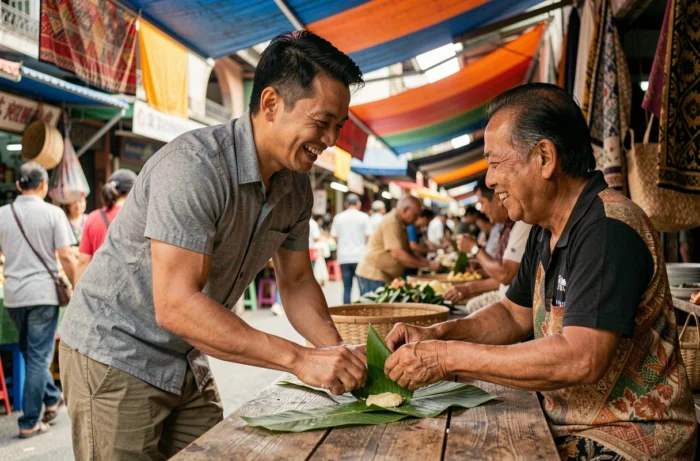
Augmented reality and travel: an invisible layer on the ground
Lists of unusual activities rarely mention augmented reality as a full-fledged component of a trip. The subject goes beyond a mere gadget. A report published in 2026 estimates the global AR/VR market in tourism at nearly $20 billion for 2023, with an annual growth rate of about 30% from 2024 to 2032. France is among the analyzed markets, with prospects for increasing integration.
In practical terms, this translates to trails where the traveler points their phone at a building and sees its historical version appear, or visits to archaeological sites where 3D reconstructions overlay the ruins. Haptic experiences (tactile feedback via a device) are also starting to appear in some museums and theme parks.
Preparing for your trip with VR before you go
The other growing use is virtual pre-trip visits. Before booking, the traveler explores accommodation, a neighborhood, or an itinerary in virtual reality. This step changes the way a destination is chosen: one no longer relies solely on photos, but evaluates the space and atmosphere in a three-dimensional way.
Artificial intelligence adds to this technological layer by customizing activity recommendations based on individual preferences, travel pace, and even real-time weather conditions.
Urban adventure: turning a city into a playground
Adventure is not limited to wide open spaces. In urban environments, hybrid formats blend physical exploration and interactive storytelling. Here are the categories that stand out from a simple guided tour:
- Thematic urban orienteering races, where each step unlocks a clue related to local history, sometimes via an augmented reality app.
- Craft workshops at locals’ homes (ceramics, weaving, fermentation), allowing participants to leave with a handmade object and localized know-how.
- Guided nighttime experiences (astronomy on rooftops, exploring undergrounds, sound walks after museums close), revealing a city from an angle inaccessible during the day.
Paris has a dense offering in this area, but medium-sized cities in Nouvelle-Aquitaine or Occitanie are also developing such proposals. Nouvelle-Aquitaine is indeed among the French regions most cited for unusual destinations.
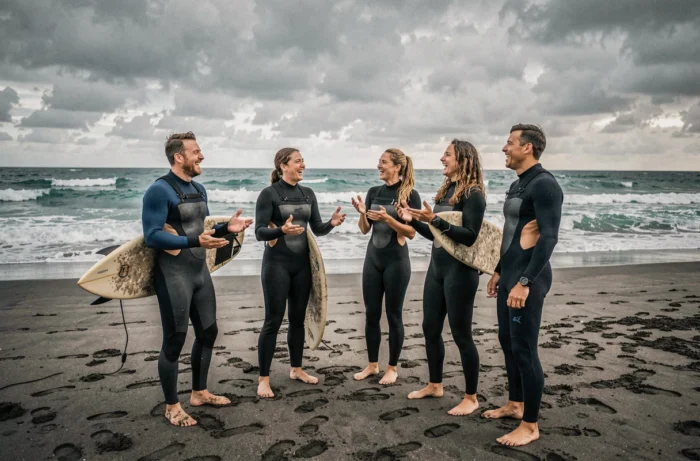
Original activities in nature: criteria for choosing
Not all activities labeled “original” are created equal. Before booking, three criteria can filter proposals that deliver on their promises:
- The level of interaction with the local environment. An activity where the traveler remains a spectator (passive observation cruise, aerial tour without briefing) leaves fewer lasting memories than a participatory activity (raft building, wildlife tracking with a naturalist guide).
- Geographical rarity. An activity is more valuable if it is tied to the specific terrain where it takes place. Sandboarding has a different meaning in Egypt, in the dunes of a living desert, than on an artificial slope.
- Guidance by local actors. A local guide transforms a mundane activity into a cultural learning experience. The difference between a tourist cooking class and a meal prepared at a local’s home often hinges on this single variable.
These criteria apply equally to a sensory hike as to a parachute jump. Originality does not lie in the level of risk, but in the density of the experience relative to the time spent.
Adapting the activity to your traveler profile
A trip as a couple, solo, or with family does not engage the same formats. Sensory trails and creative workshops suit almost all profiles. Activities with a high physical load (via ferrata, canyoning, high-altitude trekking) require an honest assessment of one’s condition. Choosing an activity slightly above one’s comfort zone generally produces the best ratio between enjoyment and memorability.
Sensory travel, augmented reality on the ground, and participatory formats in urban or natural settings create a map of activities that traditional catalogs do not yet cover. The most reliable filter remains geographical specificity: if the activity could be done anywhere, it probably lacks originality.


