
The European emissions trading system will expand to residential buildings and road transport starting in 2027. This mechanism, called ETS2, will require fossil fuel suppliers to purchase emission rights for every ton of CO2 produced by the gas, oil, or diesel they sell. For homeowners using fossil fuels for heating, energy bills will mechanically increase.
Emission quotas applied to buildings: an indirect but real mechanism
Unlike a direct tax levied on the tax notice, ETS2 operates through an auction system among energy suppliers. Distributors of natural gas, heating oil, and road fuels will have to acquire emission quotas at auction every year. The cost of these quotas will then be passed on in the price per kilowatt-hour or per liter sold to individuals.
This point changes the nature of the debate. A homeowner will not receive a bill stamped “carbon tax.” They will notice an increase in the price of gas or oil, without necessarily identifying the portion related to the quotas. The analysis of the impact of the carbon tax 2027 on single-family homes shows that this opacity complicates understanding for the affected households.
The available data does not yet allow for a precise amount to be set per household. The price of quotas will depend on the volume auctioned, supplier demand, and European political decisions. Several sources mention significant annual costs for a family heating with gas, but projections vary widely depending on the assumptions made.
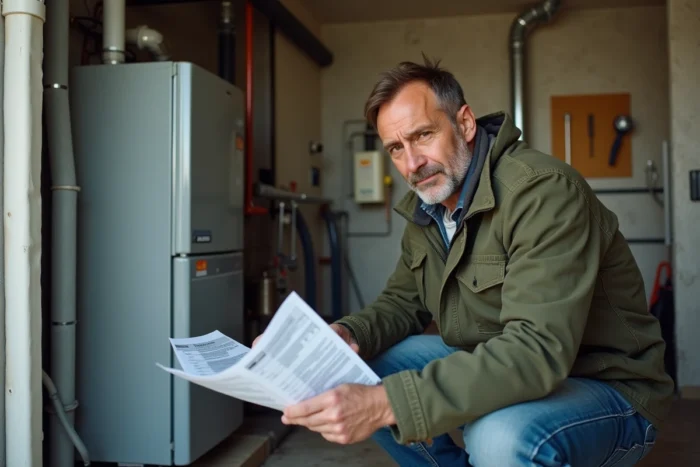
Gas or oil-heated homes: the most exposed profiles to price increases
Not all single-family homes will be affected in the same way. Only homes consuming fossil fuels are concerned. A homeowner equipped with a heat pump, electric heating, or a solar thermal system will not see any additional costs related to ETS2 on their heating expenses.
The most exposed profiles share several characteristics:
- Main heating with natural gas or heating oil, without renewable backup
- Insufficient thermal insulation (uninsulated walls, single glazing, untreated attics), which increases consumption and thus exposure to rising fuel costs
- Location in rural areas, where connection to the urban heating network does not exist and where oil remains the only historical option
For these households, the additional cost will not be a one-time event. The number of quotas available on the ETS2 market will gradually decrease over the years, which should push the price of CO2 per ton up in the medium term. The increase in fossil fuel prices is designed to be progressive, not stable.
European safeguards and the Social Climate Fund: what protections are planned
The regulatory framework includes mitigation mechanisms. A European political agreement incorporates the possibility of delaying the entry into force to November 1, 2027 if a state faces difficulties in sourcing non-Russian gas. This potential delay would postpone the impact on the bills of the affected households by a few months.
Furthermore, a Social Climate Fund has been created to support vulnerable households. This fund will be financed by a portion of the revenues from ETS2 quota auctions. Starting in 2024, carbon market revenues are legally earmarked for climate expenditures. In practical terms, the money collected from the increase in fossil fuel prices must finance aid for thermal renovation and heating system changes.
Field feedback varies on this point. The exact amounts of aid, eligibility criteria, and distribution methods are still under negotiation in several member states. For a single-family homeowner, the question remains whether the subsidies will cover a sufficient portion of the cost of energy renovation work.
Thermal renovation and heating system change: the calculations to make before 2027
The stated goal of ETS2 is not solely fiscal. The system aims to make fossil fuels progressively more expensive to accelerate the transition to decarbonized solutions. For a homeowner, two action levers emerge:
- Reduce consumption through insulation work (attics, walls, windows), which decreases the volume of fuel purchased and thus exposure to quota prices
- Replace the gas or oil boiler with a non-fossil system (heat pump, certified wood heating, solar thermal), which completely eliminates exposure to ETS2 on heating
- Combine both approaches in a comprehensive renovation plan to maximize consumption reduction before the quota price stabilizes
The return on investment for these works changes with the arrival of ETS2. A renovation that seemed unprofitable with current gas prices may become profitable if the price per kilowatt-hour rises significantly and sustainably.
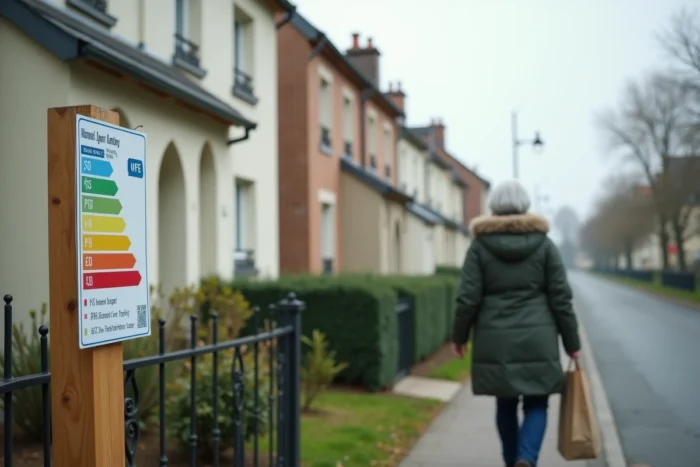
Energy-climate taxation in France: a broader overhaul in the background
ETS2 will not be the only parameter to monitor. French energy and carbon taxation is under comprehensive review, with the idea of integrating new European price signals into the national tax framework. The Court of Auditors published a report in June 2026 on the future of energy taxation, questioning the relationship between the existing French carbon component and the new ETS2 market.
For single-family homeowners, this overlap of systems creates additional uncertainty. The domestic consumption tax on energy products already exists. The addition of a price signal via ETS2 quotas could either accumulate or lead to adjustments in national taxation to avoid double charging.
The precise trajectory remains to be defined. What is certain is the European framework: fossil fuel suppliers will pay for quotas starting in 2027, and this cost will be passed on. The exact level of the increase will depend on the price of CO2 per ton on the ETS2 market, which has not yet been set as the first auctions have not taken place.